The Complete Guide to Deck Installation: Professional Step-By-Step Tips
The Complete Guide to Deck Installation offers a well-organized approach to creating an outdoor space. It addresses essential aspects such as essential tools, planning, and material selection. Each step is designed to simplify the installation process, ensuring homeowners can achieve a high-quality result. However, even seasoned DIY enthusiasts can overlook common pitfalls. Understanding these mistakes may be pivotal for a successful project. Explore what these missteps are and how to avoid them.
Planning Your Dream Deck: Key Steps to Follow
Planning a dream deck commences with a well-defined vision and deliberate organization. The initial phase requires assessing the existing space and defining the deck's purpose, whether for entertaining, relaxation, or spending time with loved ones. Following this, homeowners should consider the aesthetic choices and construction materials that align with their home's architecture and personal taste. Sketching a layout can assist in envisioning the design, integrating elements like furniture arrangements, safety barriers, and decorative plants.
Investigating regional construction guidelines and requirements is crucial to sidestep problems that may arise during the build. Furthermore, setting a clear budget will direct decisions on materials and building methods. Residents should also think about long-term upkeep and lasting quality, opting for materials that suit their climate. In closing, seeking advice from experts or knowledgeable acquaintances can deliver meaningful perspective, guaranteeing a carefully developed strategy that satisfies practical and visual goals. Through thoughtful preparation, the perfect deck can evolve into a charming and welcoming addition to the residence.
Necessary Tools for Your Deck Installation
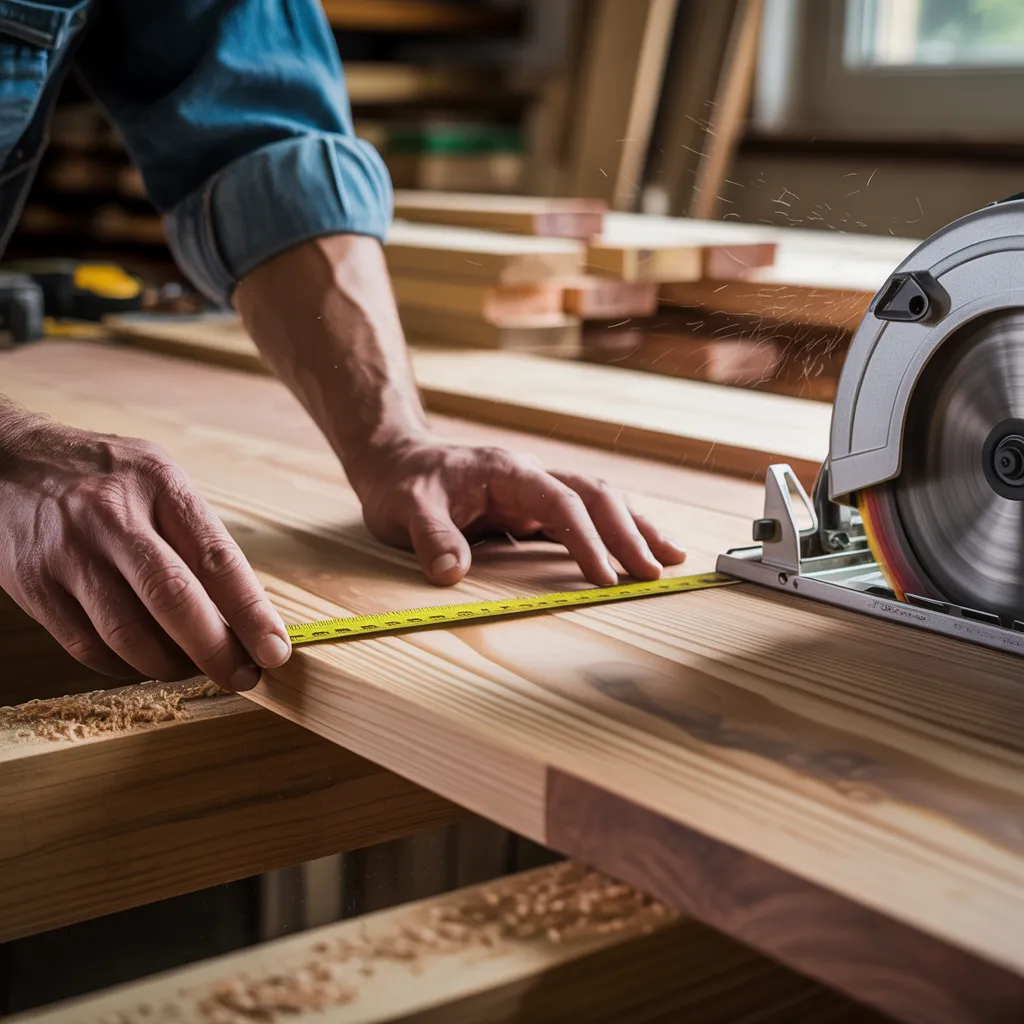
Proper deck installation demands a properly stocked toolkit. Essential tools include a circular saw for clean and accurate cuts, a power drill to fasten and secure all components, and a measuring tape to verify proper measurements. A level is vital for maintaining even surfaces, while a framing square aids in maintaining correct angles while assembling.
Moreover, a hammer proves helpful for making manual adjustments and securing fasteners, and a pry bar is essential for extracting old materials when needed. Safety gear, such as gloves and goggles, should not be neglected, ensuring safety throughout the installation process.
For optimal professional results, a sander may be needed for polishing edges, and a chalk line is useful for marking straight layout lines. Possessing these tools not only streamlines the installation process but also contributes to a durable and aesthetically pleasing deck. Adequate preparation with suitable tools is fundamental to achieving successful deck construction.
Selecting Materials for Your Deck Installation: Wood vs. Composites
When deciding on deck installation materials, the decision between wood and composite options greatly impacts maintenance needs, durability, and visual appeal. Every option carries unique benefits and challenges that homeowners need to evaluate. Understanding these factors can guide an informed decision for a durable and aesthetically appealing deck.
Durability And Lifespan Considerations
Picking the appropriate materials for deck installation greatly impacts its strength and lasting quality. For those evaluating wood, varieties such as cedar and redwood deliver natural resistance to decay but often need regular maintenance, including sealing and staining. Over time, they are susceptible to warping and splintering. By comparison, composite materials, crafted from a blend of recycled plastics and wood fibers, offer improved durability. They are resistant to fading, staining, and scratching, demanding less upkeep. However, quality may differ significantly among brands, so careful evaluation is necessary. In the end, selecting either material involves balancing the initial cost against long-term performance, maintenance requirements, and environmental factors to guarantee the deck withstands the elements and regular use for years to come.
Aesthetic Appeal Considerations
The aesthetic quality of a deck significantly impacts its total value and appeal. When choosing materials, homeowners often weigh the visual characteristics of wood against those of composite alternatives. Natural wood exudes warmth and authenticity, offering rich textures and colors that can elevate a property's appeal. However, it necessitates deliberate selection of species to guarantee longevity and resistance to natural elements. By contrast, composite materials offer a consistent appearance and a more extensive palette of colors, drawing in those who desire modern visual appeal. They can replicate the appearance of wood while offering consistent quality. In the end, the decision between wood and composites copyrights on personal taste preferences and the desired mood, defining the framework for the deck's overall visual effect.
Overview of Maintenance Requirements
Choosing materials for deck installation requires close attention to upkeep needs, which can differ significantly between wood and composite materials. Traditional wood decks generally need routine staining, sealing, and cleaning to avoid rot, warping, and insect damage. With time, these decks can display signs of deterioration, necessitating more frequent repairs and replacements. On the other hand, composite decks are engineered for durability and require minimal maintenance. These materials resist staining, fading, and splintering, and typically only need occasional washing with soap and water. While the initial cost of composite materials may be higher, their lower upkeep can result in long-term savings. In the end, deciding between composite and wood will greatly influence the ongoing maintenance commitment and costs linked to maintaining your deck.
A Step-by-Step Guide to Deck Installation: From Foundation to Finish
A proper deck installation necessitates meticulous planning and execution, guaranteeing all steps are completed with accuracy. The process begins with identifying the right site, considering factors such as sun exposure and water drainage. Next, the foundation is laid, frequently utilizing concrete footings to provide stability. Flattening the ground is necessary to create a level surface for the deck structure.
After the foundation is set, framing is constructed using pressure-treated lumber, establishing the core structure of the deck. This structural framework must be carefully aligned and firmly secured. After the framing, deck boards are placed, usually in an alternating pattern to boost visual appeal and structural strength.
Next, railings and stairs are installed, adhering to local building codes for safety. As a final step, finishing details, like sealing or applying stain to the wood, protect against the elements and extend the deck's lifespan. Thoroughly executing these steps delivers a long-lasting, appealing outdoor space tailored to the homeowner's expectations.
Top 10 Mistakes to Avoid When Building Your Deck
Constructing a deck can be a fulfilling endeavor, but numerous pitfalls may arise during the process. One common mistake is neglecting local building codes, which can result in penalties or mandatory demolition. Another common mistake is insufficient planning, resulting in a design that doesn't fit the space. Choosing unsuitable materials can similarly diminish structural see here integrity and appearance.
Inadequate foundation work is a serious mistake, as it can lead to instability. Moreover, neglecting adequate drainage can result in water damage with time. A large number of builders disregard the critical nature of railing height and load capacity, risking safety. Inaccurate dimension calculations can cause material waste and elevated costs.
Additionally, neglecting to consider the natural expansion and contraction of materials can produce structural warping. By being aware of these top ten mistakes, construction professionals can complete a high-quality deck installation that meets the desired functional and aesthetic objectives.
Ways to Keep Your Deck Looking Beautiful for Years?
Preserving the appearance of a deck demands regular effort and care. Regular cleaning techniques, along with seasonal maintenance tips, are vital for preserving its beauty and longevity. By adopting these practices, homeowners can guarantee their deck remains a welcoming outdoor area over the long term.
Common Cleaning Practices
Maintaining a deck in excellent condition demands consistent cleaning methods that prevent dirt, mildew, and stains from taking hold. Experts suggest cleaning the deck with a broom each week to clear away debris and avoid accumulation. When a more intensive cleaning is needed, a blend of gentle soap and water can be used with a soft-bristled brush, making sure every corner is covered. Rinsing thoroughly afterward is essential to eliminate any remaining soap. Should mildew develop, a blend of white vinegar and water can successfully eliminate it without strong chemicals. Furthermore, applying a pressure washer carefully can remove stubborn stains, but it must be used at a reduced pressure setting to protect the surface. Routine care enhances durability, ensuring the deck remains an attractive outdoor space for years to come.
Seasonal Maintenance Tips
Even though many homeowners concentrate on cleaning their decks, seasonal upkeep is crucial for maintaining their appearance and performance. To ensure long-lasting results, it is recommended to check the deck for any indications of wear or deterioration at least two times per year. This includes checking for loose boards, rusted nails, or loose railings. Applying a protective sealant every few years can help guard against moisture and UV damage. Additionally, during the fall, homeowners should clear away leaves and debris to prevent mold growth. In winter, snow should be carefully removed, avoiding metal shovels that could scratch the surface. By following these seasonal maintenance tips, homeowners can keep their decks looking great and functioning well for many years to come.
Features and Accessories That Will Transform Your Deck
To design a genuinely welcoming outdoor area, homeowners regularly evaluate numerous design elements and additions that can enhance the overall appeal of their decks. Installing integrated seating options, such as seating benches or built-in planters, not only makes the most of the area but increases usability. Introducing shading solutions, like decorative pergolas or adjustable awnings, can provide relief on bright sunny days. Ornamental railing systems, ranging from classic wood to modern metal designs, not only enhance safety but also add significant visual appeal.
Lighting serves as another crucial element; string lights or recessed LEDs can set a welcoming mood for after-dark get-togethers. In addition, outdoor rugs and throw pillows deliver coziness while permitting customization. Finally, integrating greenery through potted plants or vertical gardens can breathe life into the space, turning the deck into a tranquil escape. By thoughtfully selecting these elements, homeowners can transform their decks into stylish and inviting outdoor havens.
Commonly Asked Questions
What Permits Do You Need for Deck Installation in Your Area?
To identify required permits for deck construction, homeowners should contact local building authorities. Rules differ depending on location; generally, permits are needed for structural, electrical, or plumbing work, confirming compliance with local safety and zoning requirements.
How Do I Choose a Contractor for My Deck Project?
To choose a contractor for a deck project, researching local professionals is essential, check references, check licenses and insurance coverage, look over past completed work, and collect various quotes to confirm quality and a strong return on the investment.
Can I Install a Deck on Uneven Ground?
Indeed, a deck can be constructed on uneven terrain, but adequate planning and proven techniques are critical. Options include taking advantage of adjustable post supports, creating a multi-level deck, or leveling the ground before installation to guarantee stability.
What Is the Standard Cost of Installing a Deck?
The average cost of deck installation usually ranges from $15 to $35 per square foot, based on material choices, design intricacy, and regional labor rates. This estimate includes both materials and labor for a complete project.
How Long Does Deck Installation Typically Take?
Installing a deck typically takes one to three weeks depending on the size, complexity, and type of materials selected. The timeline can also be influenced by weather conditions and crew availability, significantly impacting the overall duration of the project.